


The Importance of Stance Training in Traditional Chinese Martial Arts

Updated: Mar 3
Stances: The Root of Chinese Martial Arts
In kung fu, stance training (Zhuāng Bù - 桩步 – “drilling of stances,” also known as Bù Fǎ - 步法 – “stance method”) teaches the body how to align correctly and generate power from the ground up. Classic stances such as horse stance (馬步 - Mǎ Bù), bow and arrow stance (弓箭步 - Gōng Jiàn Bù), and subtle step (玄璣步 - Xuán Jī Bù) develop leg strength, joint stability, and body awareness. More importantly, they train practitioners to stay “rooted” (having structurally sound body posture) while remaining mobile.
A strong stance allows techniques to be delivered with greater power and control. Punches, kicks, throws, and weapon movements all rely on proper weight distribution and balance. Without solid stances, movements become shallow, unstable, and inefficient. Stance training also builds mental discipline, teaching students patience, focus, and the ability to remain calm under physical stress.

Stance Training and Structural Integrity
Good stances reinforce correct posture and protect the body from injury. By strengthening the legs, hips, and core, practitioners develop a stable structure that supports the spine and joints. Over time, this improves overall performance and longevity in training. Proper stance work also enhances sensitivity to weight shifts, making transitions smoother while not compromising structural integrity.
The Role of Stances in Lion Dance
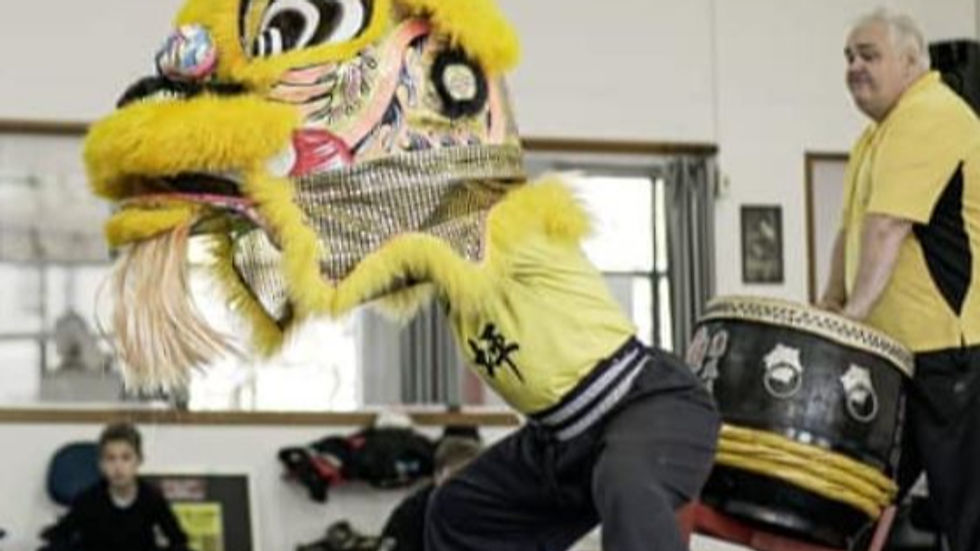
Lion dance places unique demands on the body for performers supporting the lion head or tail. Low and stable stances are critical for proper lion shape, maintaining balance, absorbing impact, and executing dynamic movements such as jumps, turns, and lifts. A strong stance allows performers to hold proper shape for extended periods as well as helping with smooth and quick directional changes.
Because lion dance is performed in pairs or teams, stance training also promotes synchronization and trust. When each performer maintains a solid base, the lion’s shape appears powerful, agile, and alive. Weak stances, on the other hand, can lead to poor lion shape, instability, mistimed movements, and increased risk of injury.
Power, Endurance, and Expression
Beyond physical strength, stances contribute to the expressive quality of both kung fu and lion dance. In martial arts, a deep, stable stance conveys confidence and authority. In lion dance, it enhances the illusion of the lion being alive, showcasing strength and spirit in the performance. Stance training builds endurance, allowing performers to maintain quality movement and shape throughout long forms, drills, or performances.
Building Strong Foundations
Consistent stance training is essential for practitioners at every level. Beginners develop proper habits early, while advanced students refine depth, alignment, and transitions. Though it may not always be glamorous, stance work is where real progress is made.
In both kung fu and lion dance, strong stances create strong practitioners. By investing time in stance training, students build a foundation that supports skill development, performance quality, and long-term growth—both physically and mentally.
Embracing the Journey of Stance Training
As we delve deeper into the world of traditional Chinese martial arts, it becomes clear that stance training is not just a physical exercise; it is a journey of self-discovery. Each stance we practice teaches us about our bodies, our limits, and our potential.
Imagine standing in horse stance, feeling the ground beneath you. The connection to the earth is grounding. It reminds us that strength comes from stability. As we hold the stance, we can reflect on our progress, our challenges, and our aspirations.
Stance training is also about community. When we practice together, we share our experiences and learn from one another. We encourage each other to push through the discomfort and embrace the journey. The bonds we form during these training sessions create a supportive environment where everyone can thrive.
The Transformative Power of Stance Training
The benefits of stance training extend beyond the dojo. They seep into our daily lives, enhancing our posture, balance, and overall well-being. As we cultivate strength and stability in our stances, we also cultivate resilience in our lives.
Have you ever noticed how a strong stance can change your perspective? It empowers you to face challenges head-on. Whether in martial arts or everyday situations, the confidence gained from stance training translates into a more assertive and positive outlook.
In conclusion, stance training is a vital aspect of traditional Chinese martial arts. It lays the groundwork for all techniques and performances. By embracing this practice, we not only enhance our martial arts skills but also foster personal growth and community connection.


Comments