


The Connection Between Kung Fu and Lion Dance

Kung Fu (traditional Chinese martial arts) and Lion Dance are deeply connected traditions that share history, discipline, and cultural meaning. While Lion Dance is often seen as a festive performance during celebrations, the strength, precision, and spirit behind it are rooted in Kung Fu training. For many traditional Lion Dance teams, Kung Fu is not simply an additional skill—it is the foundation that allows performers to execute the dance with power, grace, and authenticity.
The Connection
Historically, Lion Dance developed within Kung Fu schools. Martial artists used the dance to celebrate festivals, bring good fortune to communities, and demonstrate the strength and unity of their school. The movements of the lion often are based on martial arts techniques—stances, footwork, jumps, and coordination that come directly from Kung Fu practice.
Because of this connection, students who train in Kung Fu develop the control and discipline necessary to perform Lion Dance properly. The lion is not just a costume; it is a living character that requires strength, teamwork, and precise movement.

Etiquette and Discipline
One of the most important lessons Kung Fu brings to Lion Dance training is etiquette. In traditional martial arts culture, respect for instructors, fellow students, and the art itself is essential.

Students learn to salute when entering the training space, greet their instructors properly, and show respect for the equipment they use. This etiquette carries directly into Lion Dance practice. Before handling the lion head or performing publicly, students understand that they represent not only themselves but their entire school.
Through these traditions, performers develop humility and appreciation for the cultural heritage they are preserving.
Respect for the Art and the Team
Lion Dance is a team effort. A single lion requires two performers working together in perfect synchronization—one controlling the head and one controlling the body/tail. In addition, musicians on the drum, cymbals, and gong must provide the tempo and rhythm of the performance.

Kung Fu training helps students develop the respect needed for this teamwork. Martial arts teach patience, listening, and awareness of others. These qualities are essential when performing Lion Dance, where success depends on trust and communication between partners.
Respect also extends to the cultural meaning behind the dance. Lion Dance is performed to bring good fortune, chase away negative energy, and celebrate important moments in the community. Practitioners learn that every performance carries responsibility and purpose.
Physical Conditioning and Strength
Lion Dance may look playful and energetic, but it is physically demanding. Performers often hold deep stances, lift the lion head above their heads, jump onto benches or tables, and move continuously throughout the performance.

Kung Fu training builds the conditioning required for these movements. Through stance training, students strengthen their legs and develop stability. Core training improves balance and posture, which are critical when supporting the weight of the lion head or coordinating movements with a partner.
Flexibility, endurance, and explosive power all come from regular martial arts practice. Without this conditioning, it would be difficult to perform the dance safely and effectively.
Building Character Through Training
Beyond the physical benefits, Kung Fu training shapes character. Students learn perseverance through challenging drills, confidence through skill development, and discipline through consistent practice.
These qualities transform Lion Dance from a simple performance into a meaningful expression of martial arts culture. When audiences watch a lion move with strength and spirit, they are witnessing the result of countless hours of training, respect, and dedication.
Continuing the Tradition

By training in Kung Fu alongside Lion Dance, practitioners ensure that the tradition remains authentic and strong. The martial arts foundation preserves the discipline, cultural values, and technical skill that have been passed down for generations.
For students, learning both arts creates a deeper understanding of the lion's spirit. The result is not just a performance, but a living tradition that celebrates culture, community, and the enduring legacy of the traditional Chinese martial arts.

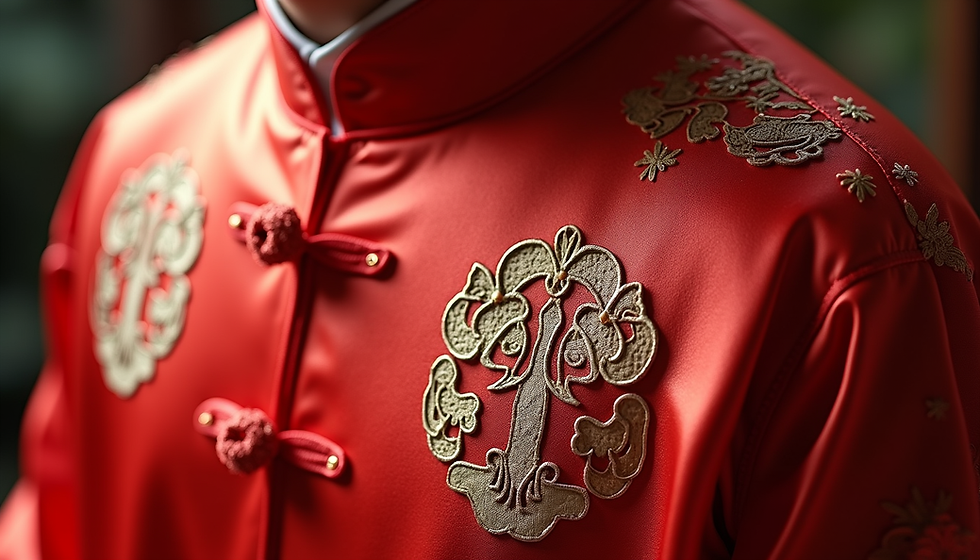

I feel like my kungfu education positively informs so much of what I do, from how I approach challenges to how I take care of my body. Even as a musician, I value my kungfu as my solid foundation ❤️ I can definitely see why we study these things together!